


 36:00 to watch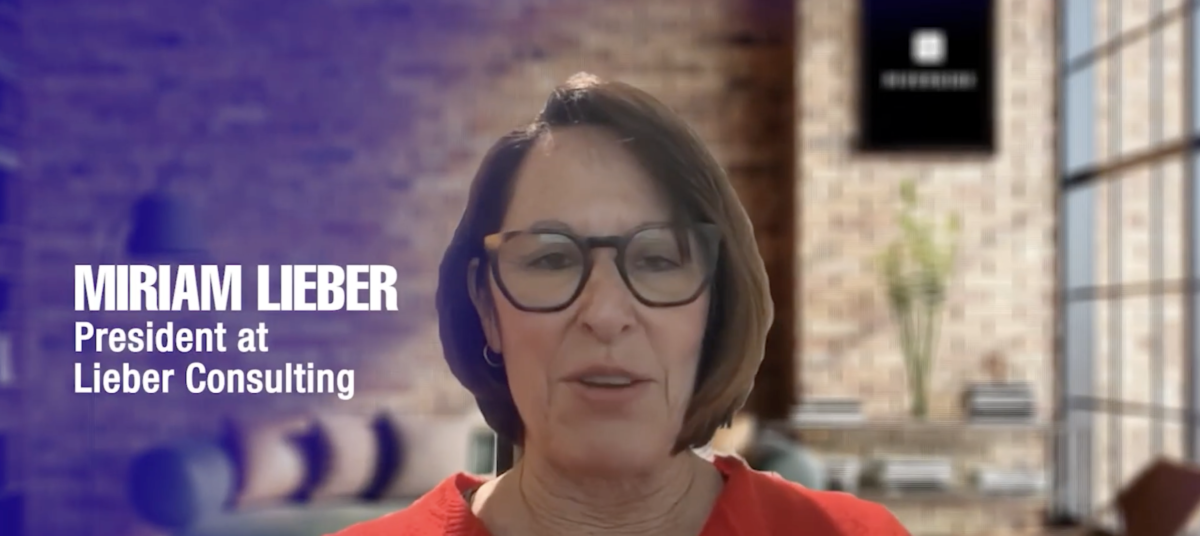
In this episode of the Claim to Fame podcast, hosts Alex and Wayne interview Miriam Lieber, a well-known expert in the DME industry.
What’s Covered?
Miriam shares her extensive background, including how she started in the field, grew her company, and moved into consulting and coaching. She emphasizes the importance of viewing software as an ally, optimizing the revenue cycle, and developing future leaders. Miriam discusses the challenges and opportunities within the DME sector, including the impact of competitive bidding, the role of AI and automation, and the criticality of strong leadership. She provides practical advice on identifying payers, maintaining price tables, and ensuring operational efficiencies. The episode concludes with a rapid-fire Q&A.
Podcast Transcription
Podcast Episode: Optimizing DME Operations with Miriam Lieber
Guest: Miriam Lieber, expert in the DME industry
Hosts: Alex & Wayne (NikoHealth)
Intro
I always say, if you don’t reinvent yourself, you’re really nobody. Because if I still did business the way we did business back then, I’d be obsolete. It was honestly so much easier back then.
Welcome & Background
Alex:
We are live on the number one DME podcast in the country, Claim to Fame. Today we have Miriam Lieber with us. Welcome to the show!
Miriam:
Thank you so much, Alex. Fun to be here.
Wayne:
For anyone who doesn’t know you — even though you’re a legend in this space — tell us a bit about your background.
Miriam:
I’ve grown up in this industry. My in-laws owned two DME companies in Florida, which expanded into billing services and eventually software development. That experience shaped my belief that software should be an ally, not an adversary.
Over time I realized that simply having software doesn’t guarantee you get paid. That led me to focus on optimizing the entire revenue cycle — breaking it apart, understanding each piece, and rebuilding it for efficiency.
Today, I’ve worked with over 600 HME companies, and I also spend time coaching emerging leaders. That’s become one of the most rewarding parts of my work.
How Her Consulting Career Began
Wayne:
How did you first get into consulting?
Miriam:
It started very organically. I attended one of my first Medtrade shows and watched someone explaining how to complete a claim form. I remember thinking, “I can do that.”
Later, my father-in-law said, “Why are we referring this work to others? You know how to use the software and get people paid — go help them.” I was about 25 or 26, and that’s how it all started.
Then vs. Now in DME
Alex:
How different was the industry back then compared to today?
Miriam:
You have to reinvent yourself constantly. If I still worked the way we did decades ago, I’d be obsolete.
Back then, we focused on things like tracking “due after payment” so we could manage by exception. That mindset still applies — but today the complexity has multiplied. The scale, the payer mix, the automation… it’s a completely different environment.
Front-End vs. Back-End Operations
Wayne:
When did you realize your work was about more than billing — that you were transforming entire businesses?
Miriam:
I realized that most problems on the back end originate on the front end.
If something goes wrong between intake and order confirmation, billing and collections suffer. So I became an advocate for controlling what we can control — getting it right from the very beginning. That shift in mindset changes everything.
Common Mistakes DME Providers Make
Alex:
What are the most common mistakes you still see DME providers making?
Miriam:
It often starts with something very basic: not even knowing who the actual payer is.
Staff choose the wrong payer in the system. They don’t distinguish between similar plans. They don’t realize a benefit falls under pharmacy instead of medical. By the time the order is fulfilled, it’s already doomed financially.
Everything goes back to accurate payer identification and proper front-end workflows.
Price Tables, Training, and Complexity
Wayne:
How important are price tables in your view?
Miriam:
They’re one of the biggest issues in almost every company I visit. Price tables change constantly, networks change constantly, and we don’t dedicate enough resources to maintaining them.
Two of the biggest problems I see across organizations are:
Communication
Training
And both directly affect how well systems and workflows function.
Competitive Bidding & Industry Pressures
Alex:
You’ve worked closely with Medicare and regulators. What did that teach you?
Miriam:
They know more than we think they know.
The upcoming competitive bidding proposals are serious. The domino effect will likely hit Medicare Advantage, Medicaid, and commercial payers faster than before. No one is exempt — rural providers included.
Providers need to simulate the impact now, optimize efficiencies now, and engage in advocacy now.
Preparing for the Future
Wayne:
What should providers be doing right now to prepare?
Miriam:
Read constantly. Don’t ignore industry news.
Simulate the impact of changes.
Optimize what’s within your control.
Look hard at people, process, and automation.
Bring your front-end staff into the conversation. They know more than leadership often realizes. That’s where future leaders are found.
Software Consolidation & Operational Efficiency
Miriam:
Many companies are using five or more disconnected systems. That creates friction everywhere: intake, inventory, billing, documentation.
Consolidation isn’t just about convenience — it’s about reducing operational resistance. The fewer handoffs, the fewer opportunities for error.
State of the Industry
Alex:
If you had to describe the state of the DME industry in one word?
Miriam:
Consolidation.
But I also see opportunity. There is still room for companies that innovate, lead well, and adapt. Those who seize the moment can still thrive.
New Opportunities in DME
Miriam:
I see exciting innovation in companies expanding into holistic care models — like maternity providers integrating mental health support.
When organizations engage patients throughout the full continuum of care and partner meaningfully with payers, that’s powerful. That’s the future.
The “Secret” Every DME Should Know
Alex:
What’s one thing every DME provider should know that they might not?
Miriam:
It’s all about leadership.
Strong leadership drives people, process, and technology. The best companies I see all share one thing: leaders who inspire, develop others, and align the organization around mission and values.
Developing the Next Generation
Alex:
What principle should future leaders hold onto?
Miriam:
Your job is to work yourself out of a job.
You must develop the next leaders beneath you. That’s the only way organizations scale sustainably. Success truly breeds success.
AI, Automation, and the Future
Wayne:
What excites you most about the future?
Miriam:
AI and automation — without question.
Not to replace people, but to eliminate repetitive tasks so staff can focus on critical thinking and exceptions. We can finally scale efficiently in ways we never could before.
But it still starts with leadership. If leaders don’t believe in it, adoption won’t work.
Rapid Fire Q&A
Fix the process or coach the people?
→ Coach the people
Write an article or deliver a keynote?
→ Deliver a keynote
Medtrade mainstage or regional workshop?
→ Regional workshop
Claims data or patient experience data?
→ Patient experience data
Industry in five years — consolidated or diversified?
→ Diversified
Fewer audits or faster payer turnaround?
→ Faster payer turnaround
Beach or mountain vacation?
→ Beach… then mountain

Explore More Episodes