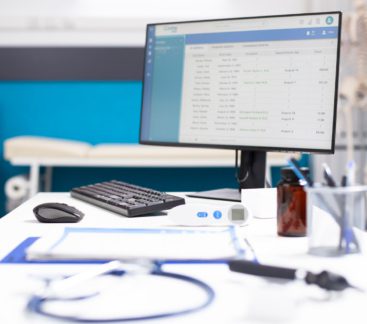
NikoHealth’s automated resupply engine is built for exactly this kind of recurring-order category, including CPAP masks, tubing, and filters — generating resupply orders based on payer frequency rules and patient eligibility, then triggering billing automatically once the order is fulfilled.
How It Works
For sleep-focused suppliers, CPAP resupply is high-volume and repetitive by nature, which makes manual tracking of frequency windows and eligibility a significant administrative burden if it isn’t automated. NikoHealth’s resupply workflow sends automated texts or emails prompting patients to confirm their next order through a secure link, no app download or separate login required, and tracks order history so the system knows exactly when a patient becomes eligible for their next supply shipment under their specific payer’s frequency guidelines.
Keeping the Patient Experience On-Brand
Once a patient confirms, the order flows into centralized order management, inventory is updated as items ship, and billing is triggered without a separate manual step. Because the patient-facing interface can be customized to match a sleep center’s branding, the resupply experience feels like a direct extension of the provider’s business rather than a third-party tool. Post-order surveys built into the same resupply flow also give sleep centers ongoing visibility into patient satisfaction with their supply cadence, which is useful for catching compliance or comfort issues before they turn into non-adherence or lost resupply revenue.
What to Confirm During a Demo
Sleep centers evaluating software for this specific use case should confirm two things during a demo: how frequency rules are configured for their specific payer mix (since CPAP resupply frequency requirements vary by payer), and how exceptions are handled — for example, a patient requesting supplies earlier than the standard frequency window due to a mask fit issue. Those edge cases are where resupply automation either saves significant staff time or creates new friction, depending on how flexibly the rules engine is built.
Tracking Resupply Performance Over Time
It’s also worth asking how the platform surfaces resupply performance data back to the sleep center itself — not just individual patient orders, but aggregate metrics like confirmation rates, missed windows, and revenue from the resupply channel as a whole. For a sleep center where CPAP resupply is a meaningful, recurring revenue stream, having that visibility in the same reporting dashboard as billing and inventory data (rather than in a separate resupply-specific tool) makes it much easier to spot a declining confirmation rate or a payer frequency change before it shows up as a revenue gap at month end.