


 36:41 to watch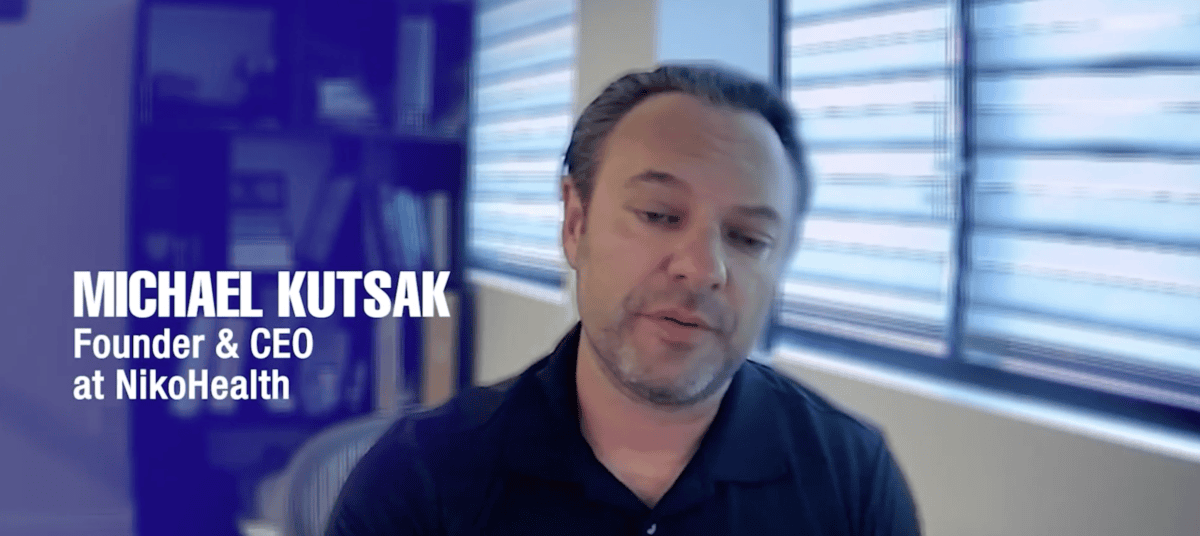
In this episode of the Claim to Fame DME podcast, hosts Alex and Wayne interview Michael Kutsak , CEO and founder of NikoHealth, who previously owned and operated a DME and experienced frustrations with outdated, fragmented software and workflows.
Episode Overview
Kutsak explains how legacy systems force providers to juggle disconnected tools across order intake, compliance, logistics, inventory, billing, and reimbursement, making training and scaling difficult. He describes NikoHealth’s goal of an end-to-end DME operating system with a single source of truth, plus an API-first approach for extensibility, and notes the biggest adoption hurdle is industry resistance to change and the burden of switching systems. They discuss current challenges including reimbursement pressure, complex billing and audits, staffing constraints, competitive bidding, and the growing need for automation and AI. Kutsak advises providers to embrace change and highlights the importance of customer-driven product development and strong team culture.
- Podcast Episode: NikoHealth CEO Michael Kutsak on Modernizing DME Software and Simplifying DME Operations
- Guest: Michael Kutsak, CEO & Founder, NikoHealth
- Hosts: Alex and Wayne (NikoHealth)
(1:11) Introduction — Who Is Michael Kutsak and What Is NikoHealth?
Michael Kutsak is the CEO and founder of NikoHealth, and before starting the company he was an owner-operator on the DME provider side. He built the platform after years of running a DME business on multiple disconnected systems and broken processes — the same fragmentation his customers describe today. His starting premise was simple: the system he wanted to use didn’t exist, so he decided to build it.
(3:27) What Legacy DME Software Made Harder Than It Needed to Be
Kutsak describes the core DME challenge as taking an order from a referral source, managing payer and regulatory requirements, and then dispensing and billing for it efficiently — with logistics like drop-shipping and field teams adding complexity at every step. Legacy tools forced providers to stitch together separate systems for inventory, order management, and third-party logistics just to reach delivery, billing, and reimbursement. He points to a practical cost of that complexity: training new hires on convoluted, non-intuitive systems is expensive and slow, especially in an industry with regular staff turnover.
(5:53) The Vision: An End-to-End DME Operating System
From the start, Kutsak wanted to build an end-to-end platform rather than solve a single piece like order management or billing. The goal was a system that connects the full workflow so it makes sense from intake through reimbursement. He’s candid that the ambition was bigger than he first realized.
(6:30) Why the Industry Needed Another Option
Kutsak believed the market needed a genuine alternative because the good system he wanted simply wasn’t available. As a provider, that gap forced his team into homegrown processes and workarounds that couldn’t support the scalability of the operation. When he left the supplier business, he concluded that if the solution didn’t exist, he would build it.
(7:22) The Hardest Adoption Hurdle — Resistance to Change
The biggest early challenge wasn’t the product — it was an industry historically slow to adopt change. Kutsak recounts hearing from providers who acknowledged real problems with their current systems but felt it was never the right time to switch, some having run the same software for 15 years. He argues the harder cost is staying put, and says NikoHealth’s answer is to support the onboarding, implementation, change management, and adoption that make switching feasible.
(11:25) How Being a Former Operator Shaped the Product
Kutsak credits business domain knowledge as essential to building software people actually use. Rather than adding a checkbox or a button, his team starts from the business use case and asks how to build a feature — an automation or workflow — that scales across the current task and future needs. Understanding the customer’s business, he argues, is what lets the product solve for real cases instead of guessing from behind a screen.
(12:38) The Biggest Challenges Facing DME Providers Today
Kutsak groups today’s pressures into a few consistent themes: reimbursement pressure and complex, evolving billing requirements; competitive bidding, which squeezes both access to Medicare beneficiaries and pricing; and the growing sprawl of point solutions and standalone AI apps that inflate the number of systems providers have to run. His answer is to deliver strong core functionality while keeping the platform extensible — an API-first approach that lets customers use vendor choice where it makes sense.
(14:49) The Role of Technology Under Margin and Staffing Pressure
Facing tighter margins, staffing constraints, audits, and payer complexity, Kutsak frames technology’s job as efficiency: higher throughput without adding resources. Whether the answer is AI-enabled capability or straightforward automation depends on the workflow, but the objective stays the same — process more with less manual effort.
(15:54) Where Kutsak Would Focus First if He Ran a DME Today
Asked where he’d start as an operator today, Kutsak points to consolidation — collapsing systems and processes into a single system of record and source of truth, which he calls the source of the greatest efficiency. He’s also blunt that the next generation of DME leaders won’t tolerate dated, hard-to-navigate software, because they expect the same modern experience they get as everyday consumers.
(17:17) What DME Providers Should Expect from a Software Partner
Kutsak makes the case that partnership matters more than any single feature. No system does everything, and he says that shouldn’t be the expectation — what matters is a vendor that builds the right solutions based on customer feedback. He describes NikoHealth as product-driven and continuously shaped by active conversations with customers rather than ideas drawn up in isolation.
(19:49) Building the Team, Culture, and Brand Behind NikoHealth
Kutsak wanted a team genuinely excited about the work, blending people with deep DME backgrounds and people from outside the industry who bring a broader software perspective. He and co-host Wayne trace the early days — a laptop and a minimum viable product, a lot of rejection, and demand that showed up as soon as they posted about an alternative online. The through-line is reputation: in a large but tightly knit industry, showing up in person at conferences and earning referrals built the brand over time.
(26:31) On Product Pride, Patience, and Motivation
What Kutsak is proudest of is hearing from customers that the product helps them run more efficiently and serve patients better. On patience, his advice is to filter out the noise that pulls a founder in every direction and stay focused on what matters. His motivation comes from a simple loop — when customers do well, the business does well, and there’s a patient at the end getting better care.
(30:16) What Founders Misunderstand About Building in Healthcare
The common misconception, Kutsak says, is “if you build it, they will come” — a belief he admits he once held himself. A better product alone doesn’t drive adoption; brand, reputation, industry connections, sales motion, and the product itself all have to align to scale. He’s candid that getting all of those to line up is genuinely hard.
(32:49) The Next Era of DME — and One Piece of Advice
Looking ahead, Kutsak expects automation and AI to move to the forefront, with rising adoption as customer demographics shift and business leaders demand more from their tech stacks. Within a year or two, he argues, AI-enabled functionality will be table stakes for any software. His single piece of advice to providers modernizing their business: don’t be afraid of change — embrace it as a chance to rethink how the business runs.
(35:09) Rapid Fire Round
- Coffee or energy drink? Energy drink.
- Early morning or late night? A combination of both.
- Text or call? Text.
- Best place to think — office, car, shower, or airplane? Office.
- One app you use way too much? Niko.
- What’s harder, building software or running a DME? Both — each is hard in its own way.

Explore More Episodes